Southern Kosova Potentials


Overview
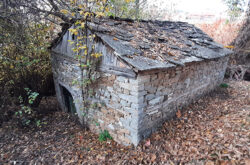
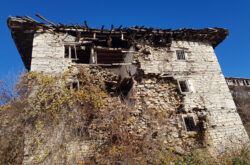
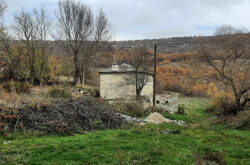
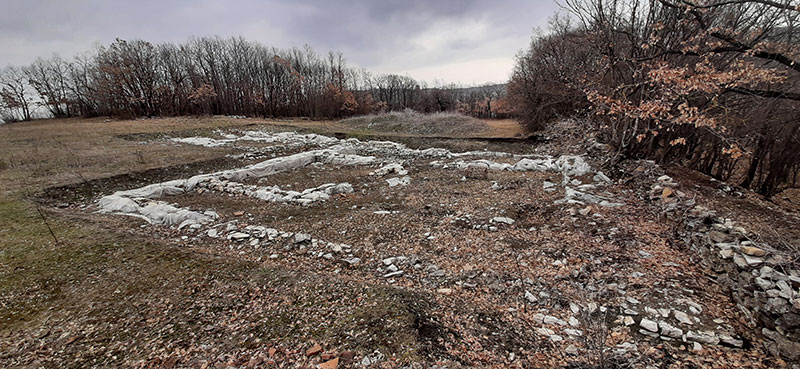
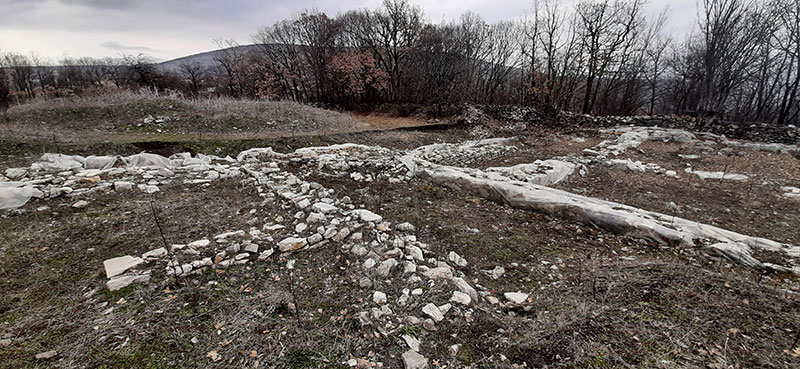
The Castrum settlement built in the Roman period gave its name to the present-day village of Kastërc. The first settlement period is related to the Neolithic; it was used in the Iron Age as a fortification surrounded by a defensive wall. Emperor Justinian rebuilt it as a fortress and castle with architectural structures, highlighting the discovery of the Paleo-Christian church. The hill was also used as a medieval cemetery. Many artifacts, work tools, ceramic and glass vessels, ornaments, etc. were found in this area.
Georeference: 42.412721, 20.783585
Category: Cultural Assets
Subcategory: Archaeological Site
Legal Status of Protection: Category: Archaeological heritage, Subcategory: Archaeological Site / Reserve, Serial No.: 248, Unique No.: 3435
Is it used for tourism?: Yes
If not, is there potential for tourism in the future?: /
Road infrastructure to the location: Partially paved
Marking and orientation to the location: There are no road signs
Tables on site: There is no table at all


Get Directions
Visited 367 times, 2 Visits today