Southern Kosova Potentials


Overview
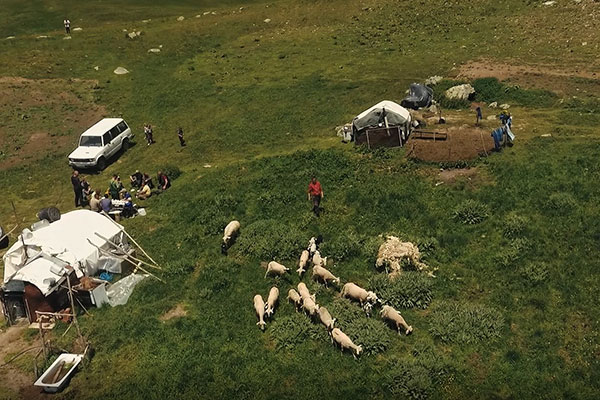
The Dragash/Dragaš region is mostly mountainous and traditionally this region is engaged in agriculture and livestock breeding, where it stands out for its rich pastures and quality agricultural products. During the summer, a large number of farmers send their sheep to the high mountain pastures where the grass is rich and of good quality. In the past, this practice was the main source of the region, where in addition to farmers in the municipality of Dragash/Dragaš, there was also an agricultural cooperative “Sharr prodhimi” which was mainly engaged in animal herding and agriculture. In recent years, this activity has declined significantly and there are few herders who send their sheep to the high pastures of the Sharr mountain. Such activities are generally organized from June 1st to 15th of each year.
Georeference: 42.06201366231838, 20.65397819954555
Category: Cultural Assets
Subcategory: Traditional ritual, Traditional food.
Legal Status of Protection: /
Is it used for tourism?: Yes
If not, is there potential for tourism in the future?: /
Road infrastructure to the location: Good
Marking and orientation to the location: There are signposts
Tables on site: There are information boards
Get Directions
Visited 260 times, 1 Visit today